One-Ring Scam Calls: Why a +1 Number Can Be International
A missed call from an area code you don't recognize may come from the Caribbean, not the US. Here is how the one-ring scam works and what to do.
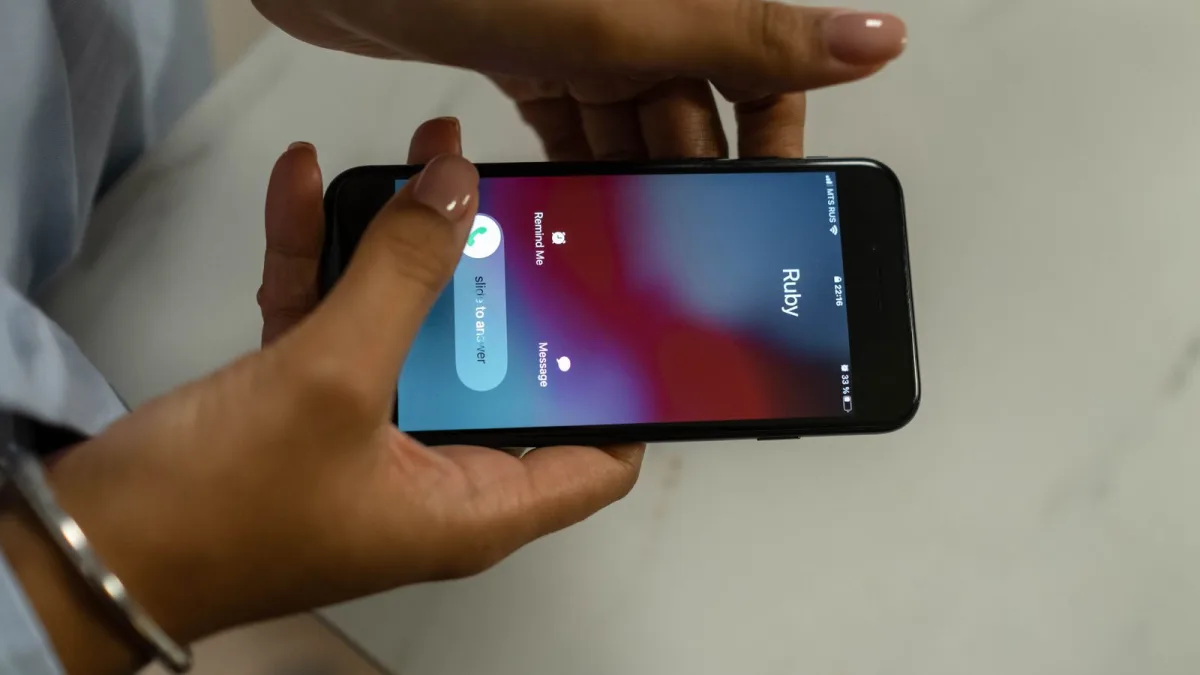
Your phone rings once and stops. The number starts with +1, so it looks like a US call. Don't call it back until you know where that number actually goes.
That missed call is the whole trick. Scammers use auto-dialers to hit cell phone numbers across the country, let each phone ring just long enough to leave a missed-call alert, and wait. They're counting on you to assume a real call got cut off, or simply to be curious.
If you do call, the meter starts running: the FTC warns of a per-minute charge stacked on top of an international rate.
Why a +1 number isn't always American
Most of us read "+1" as "United States." It isn't quite that. The ITU gave country code 1 to the entire North American Numbering Plan area. And that area is shared by 20 countries, not one.
Every number in the North American Numbering Plan has the same shape: a three-digit area code, then a seven-digit local number. A Dallas number and a Santo Domingo number look identical on your screen. Same +1, same ten digits.
That's exactly what one-ring callers exploit. According to the FTC, the calls come from three-digit area codes that look like they're inside the US but belong to international numbers, often in the Caribbean.
A real example: 809, 829 and 849
Take the Dominican Republic. It sits inside the +1 zone alongside other countries of North America and the Caribbean. Its original area code is 809. NANPA added 829 on October 1, 2005, then 849 on July 1, 2009.
So all three of these are calls to another country:
- +1 809 XXX XXXX
- +1 829 XXX XXXX
- +1 849 XXX XXXX
Plenty of legitimate calls come from those codes, of course. The point is narrower: you can't treat them as domestic calls, and a surprise callback to one may not be billed like one.
If you really do need to reach someone in the Dominican Republic, use a number you already have for them and follow our guide on how to call the Dominican Republic. Don't use the mystery number in your call log.
What a one-ring call looks like on your phone
Usually it's nothing dramatic. You're in a meeting or driving, the phone buzzes once, and by the time you look there's a missed call from a number you don't know. No voicemail. Sometimes it happens again a few hours later, or late at night, when you're more likely to think "that could be important."
The caller doesn't need you to pick up. They need you to dial back.
The number itself is built to blend in. It has ten digits like any US number, starts with +1, and the area code is three digits, just like yours. Nothing on a standard call log tells you the call came from outside the country.
How to check an area code before you call back
- Read the three digits after +1. That's the area code; the remaining seven digits are the local number.
- Look it up. If it isn't on our list of US area codes by state, it probably belongs to Canada or one of the Caribbean members of the plan.
- Ask whether you expected it. No voicemail, no one you know in that region? Let it go.
- Call known contacts directly. If the call claims to be from your bank or a relative, reach them on a number you already trust.
One habit covers you if you already called: read your phone bill often, line by line, and ask your carrier about any charge you don't understand.
If your phone lets you block numbers, block this one once you've decided it's junk. That stops repeat rings from the same number. Expect the next attempt to come from a different one.
Already called back? Here's what to do
Call your cell phone carrier first and dispute the charge. Have the date, time and number of the call in front of you before you dial.
Carrier won't budge? File a complaint with both the Federal Trade Commission and the Federal Communications Commission.
And don't call the number again to find out who it was. Each call can bring the same per-minute and international charges.
FAQ
Is it safe to call back a number that rang once?
Not if you don't recognize it. A single ring that leaves a missed-call alert is the classic setup for this scam.
Why does an international number start with +1?
Because country code 1 covers the whole North American Numbering Plan, which 20 countries share.
Will I be charged if I call back?
You might be. The FTC describes a per-minute charge on top of an international rate.
Are 809, 829 and 849 US area codes?
No. They belong to the Dominican Republic, which uses the +1 country code.
Who do I complain to if I was charged?
Your carrier first. If that doesn't fix it, the FTC and the FCC.
Sources
- Federal Trade Commission, Consumer Advice: "One-ring" cell phone scam can ding your wallet (accessed 2026-09-24)
- North American Numbering Plan Administrator: About NANPA (accessed 2026-09-24)
- International Telecommunication Union: Dominican Rep. (country codes +1 809 / +1 829 / +1 849), ITU Operational Bulletin communications (accessed 2026-09-24)